 Calculating Square Feet Chart |

|
| PF Home | PF Mixes | Prairie Grass | Native | Site Map | Planting Tips | Prairie Info | Sales |
Calculating Square Feet Chart |
|
 |
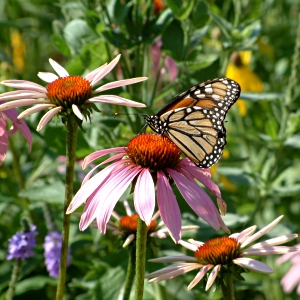
 Butterfly Meadow Mix (US Native) Butterfly Meadow Mix (US Native)
Here is
a mix that will give you a natural looking butterfly garden consisting
of native wildflowers and prairie grasses. This mix contains 17 native
wildflowers reaching a height of 2'-4' and the short prairie grass
Little Bluestem reaching a height of 2'-3'. It will bring an abundance
of butterflies and birds to your yard summer into fall and will be a
food source for song birds in the winter. |
 |
| 50% Wildflowers |
|
| Purple Coneflower | Echinacea purpurea |
| Lance Leaved Coreopsis | Coreopsis lanceolata |
| Black-eyed Susan | Rudbeckia hirta |
| Lupine, Perennial | Lupinus perennis |
| Hoary Vervain | Verbena stricta |
| Yellow Coneflower | Ratibida pinnata |
| Indian Blanket | Gaillardia pulchella |
| Blazingstar, Dense< (P) | Liatris spicata |
| False Sunflower | Helianthus helianthoides |
| Plains Coreopsis | Coreopsis tinctoria |
| Pale Purple Coneflower | Echinacea pallida |
| Stiff Goldenrod | Solidago rigida |
| Beardtongue, Foxglove (P) | Penstemon digitalis |
| Narrow Leaf Coneflower | Echinacea augustifolia |
| Lavender Hyssop | Agastache foeniculum |
| Butterfly Milkweed | Asclepias tuberosa |
| Wild Bergamot | Monarda
fistulosa |
|
|
|
| 50% Prairie Grass | |
| Little Bluestem | Andropogon scoparius |
|
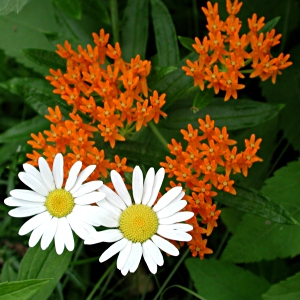
Butterfly
Garden (Native & Naturalized)
This
mix contains annuals and perennials that will help attract butterflies
with their beauty and quick color. The best times to plant are spring,
early summer or late fall. |
 |
| 100% Wildflowers |
|
| Perennial Lupine | Lupine perennis |
| Lance-Leaved Coreopsis | Coreopsis lanceolata |
| Black-eyed Susan | Rudbeckia hirta |
| Cornflower 'Polka Dot Mixed', Dwarf | Centaurea cyanus (dwf) |
| Purple Coneflower | Echinacea purpurea |
| Calendula 'Dwarf Family Circle' | Calendula officinalis (dwf) |
| Shasta Daisy | Chrysanthemum maximum |
| Blanket Flower | Gailardia aristata |
| Wallflower | Cheiranthus allionii |
| Candytuft | Iberis umbellata |
| Red Plains Coreopsis, Dwarf | Coreopsis tinctoria, red (dwf) |
| Plains Coreopsis | Coreopsis tinctoria |
| Sweet Alyssum | Lobularia maritima |
| Butterfly Plant | Asclepias tuberosa |
|
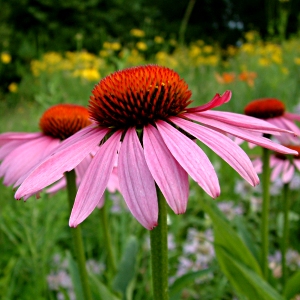
Butterfly
and Bird Mix
This mix has been specially formulated to attract a variety of butterflies and birds to your gardening area. The species will vary with the time of day and season. The combination of brilliantly flowering plants with the spectacular array of butterflies is delightful to watch and can be educational as well as entertaining. It is intended for use in a sunny area and grows to about 3' in height. This mix is of native species to the U.S. and contains 25% Purple Coneflower.
Available in:
|
 |
| Purple Coneflower (P) | Echinacea purpurea |
| Black-eyed Susan (P,B) | Rudbeckia hirta |
| Lupine (P) | Lupinus perennis |
| Lance-leaved coreopsis (P) | Coreopsis lanceolata |
| Cornflower, Dwarf Mixed (A) | Centaurea, cyanus |
| Blue Flax (P) | Linum perenne lewsii |
| Canada Milk Vetch (P) | Astragalus canadensis |
| Cornflower, 'Jubilee Gem' (A) | Centaurea cyanus |
| Shirley Poppy (A) | Papaver rhoeas |
| Plains Coreopsis (A) | Coreopsis tinctoria |
| Purple Prairie Clover (P) | Petalostemum purpureum |
| Blanket Flower (P) | Gaillardia aristata |
| Dense Blazingstar (P) | Liatris spicata |
| Lemon Mint (P) | Monarda citriodora |
| Butterfly Plant (P) | Asclepias tuberosa |
| Wild Columbine (P) | Aquilegia canadensis |
|
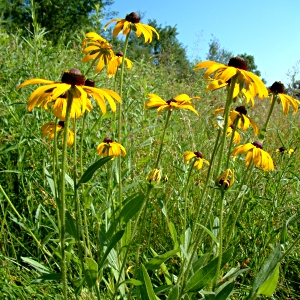
Septic
Meadow Mix
The
Septic Prairie Meadow Mix is a special blend of 12 native wildflowers
and 3 prairie grasses that will grow well in most sand and gravel
conditions, which is what most septic fields are made of. The Wisconsin
Department of Natural Resources actually encourages the use of these
native plants which have shown not to interfere with septic system
pipes. These plants will commonly take up the nutrients instead of
entering ground water tables. This mix consists of 50% wildflowers and
50% short prairie grasses. A mix that has been supported by our
customer demands! This mix will also attract butterflies and birds, for
your backyard enjoyment. The best times to plant are spring, early
summer or late fall. |
 |
| 50% Wildflowers |
|
| Purple Coneflower | Echinacea purpurea |
| Lance Leaved Coreopsis | Coreopsis lanceolata |
| Black-eyed Susan | Rudbeckia hirta |
| Lupine | Lupinus perennis |
| Prairie Clover, Purple | Petalostemum purpureum |
| Spiderwort | Tradescantia ohiensis |
| Blazingstar, Thickspiked | Liatris pycnostachya |
| Hoary Vervain | Verbena stricta |
| Canada Milk Vetch | Astragalus canadensis |
| Stiff Goldenrod | Solidago rigida |
| Beardtongue, Foxglove (P) | Penstemon digitalis |
| Smooth Blue Aster | Aster laevis |
|
|
|
| 50% Prairie Grass | |
| Little Bluestem | Andropogon scoparius |
| Side Oats Grama | Bouteloua curtipendula |
| Prairie Dropseed | Sporobolus heterolepis |
|
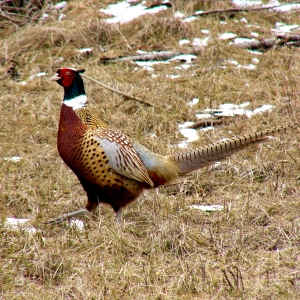
Wildlife
Mix
Here is
a native mix that will attract deer, turkey, pheasants, and quail, just
to name a few. The 4 native prairie grasses and 7 native wildflowers
will provide cover for nesting areas. Mixed stands provide a diversity
of seeds and insect populations for both young and adult birds. This
mix will not only be a food source for song birds, but also will
attract butterflies. Plant in early spring, summer or late fall in
light to medium soils, in full sun. The Wildlife Mix reaches a height
of 2'-6'. |
 |
| 20% Wildflowers |
|
| Purple Prairie Clover | Petalostemum purpureum |
| Yellow Coneflower | Ratibida pinnata |
| Partridge Pea | Cassia fasciculata |
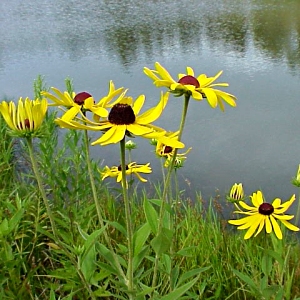
| Blackeyed Susan | Rudbeckia hirta |
| Purple Coneflower | Echinacea purpurea |
| Pale Purple Coneflower | Echinacea pallida |
| False Sunflower | Heliopsis helianthoides |
|
|
|
| 80% Prairie Grass (20% of each) | |
| Big Bluestem | Andropogon gerardi |
| Indian Grass | Sorghastrum nutans |
| Little Bluestem | Andropogon scoparius |
| Switch Grass | Panicum virgatum |
|
Detention
Basin Mix
Design
your detention pond using this mix which is tailored to suit needs for
runoff detention basins. The mix contains species designed to tolerate
fluctuating water levels along with poor water quality. Chosen species
will do well in damp soils, but can also tolerate dry spells in the
summer months when normal rain fall conditions do not occur. This mix
will also attract birds and butterflies during its blooming periods,
summer thru fall and provide birds with a food source during the fall
and winter months. |
 |
| 20% Wildflowers |
|
| New England Aster | Aster novae-angliae |
| Wild Bergamot | Monarda fistulosa |
| Swamp Milkweed | Asclepias incarnata |
| Yellow Coneflower | Ratibida pinnata |
| False Sunflower | Helianthus helianthoides |
| Black-eyed Susan | Rudbeckia hirta |
| Blue Vervain | Verbena hastata |
| Dense Blazingstar | Liatris spicata |
| Beardtongue, Foxglove (P) | Penstemon digitalis |
| Sweet Blackeyed Susan | Rudbeckia subtomentosa |
| Cup Plant | Silphium perfoliatum |
| Ironweed, Common | Vernonia fasciculata |
| Compass Plant | Silphium laciniatum |
| Nodding Onion | Allium cernuum |
| Coneflower, Branched | Rudbeckia triloba |
| Golden Alexander | Zizia aurea |
| Stiff Goldenrod | Solidago rigida |
| Sneezeweed | Helenium autumnale |
|
|
|
| 80% Prairie Grass | |
| Virginia Wild Rye | Elymus virginicus |
| Canada Wild Rye | Elymus canadensis |
| Big Bluestem | Andropogon gerardi |
| Indian Grass | Sorghastrum nutans |
| Switch Grass | Panicum virgatum |
| Fox Sedge | Carex vulpinoidea |
|
Rain
Garden
A Rain Garden is a shallow depression designed to intentionally collect rain from surfaces such as roofs, driveways, slopes, and parking areas. While some water will evaporate, the rest is left to soak into the ground. A Rain Garden allows that water to be filtered naturally by plants, bacteria, and soils as it seeps underground. There are many different ways to create Rain Gardens. Without knowing exact moisture conditions or weather patterns, Prairie Frontier recommends the general Rain Garden Mix. Unstable weather may bring heavy rainfall one day and drought conditions for two subsequent weeks or something else entirely. However, the general Rain Garden Mix will encompass all these possibilities. The
Rain Garden Mix consists of native plants for a variety of wet and dry
conditions. Once established, this combination of plants will be able
to endure even the most extreme weather patterns, from droughts to
downpours. At that time, adding new plants and moving or trimming
existing plants can further personalize the garden. In order to
increase wildlife around the Rain Garden, add birdhouses, rocks, or old
stumps. Doing so will attract birds and butterflies by providing a
source of food for them, while naturally filtering runoffs in your
yard.
Available
in: |
 |
| 20% Wildflowers |
|
| Purple Cornflower | Echinacea purpurea |
| Black-eyed Susan | Rudbeckia hirta |
| Yellow Coneflower | Ratibida pinnata |
| False Sunflower | Helianthus helianthoides |
| Blazingstar, Dense | Liatris spicata |
| Beardtongue, Foxglove (P) | Penstemon digitalis |
| Blue Vervain | Verbena hastata |
| Swamp Milkweed | Asclepias incarnata |
| Nodding Pink Onion | Allium cernuum |
| Golden Alexander | Zizia aurea |
| Wild Bergamot | Monarda fistulosa |
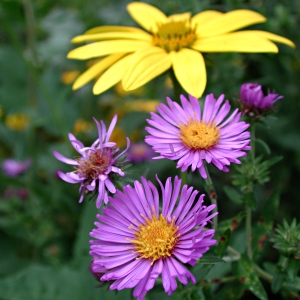
| New England Aster | Aster novae-angliae |
| Sweet Black-eyed Susan | Rudbeckia subtomentosa |
| Ironweed, Common | Vernonia fasciculata |
| Smooth Blue Aster | Aster laevis |
| Butterfly Milkweed | Asclepias tuberosa |
| Great Blue Lobelia | Lobelia siphilitica |
| Culver's Root | Veronicastrum virginicum |
| 80% Prairie Grass & Sedge | |
| Little Bluestem | Andropogon scoparius |
| Big Bluestem | Andropogon gerardi |
| Indian Grass | Sorghastrum nutans |
| Switch Grass | Panicum virgatum |
| Virginia Wild Rye | Elymus virginicus |
| Bottle Brush Grass | Hystrix patula |
| Fox Sedge | Carex vulpinoidea |
|
Cover
Crop Mix
A
unique wildflower mix that can be added to any mix of wildflowers or
prairie grasses. Its quick germinating species adds blooms in 6 weeks
under ideal growing conditions, offers erosion control and helps fight
off weeds because of their rapid growth. These annuals should only
persist the first 2 or 3 years when planted in the midwest region. An
excellent choice of flowers while your slower growing perennial species
of wildflowers and/or grasses are becoming established. |
|
| Wildflowers |
|
| Cornflower | Centaurrea cyanus |
| Annual Baby's Breath | Gysophila elegans |
| Scarlet Flax | Linum grandiflorum |
| Shirley Poppy | Papaver rhoeas |
| Plains Coreopsis | Coreopsis tinctoria |
| Homepage | | | Native | | | Naturalized | | | Mixes | | | Prairie Grasses | | | Planting Instructions | | | Sales |